
.2608060735585.png)
As our team prepares and plans for what forecasters and models are anticipating to be a Super El Niño event this winter, we assessed in our Wednesday morning production meeting, with our full admin, operations and estimating team: “What does it truly mean to be Long Beach’s Best Emergency Roofing Contractor?”
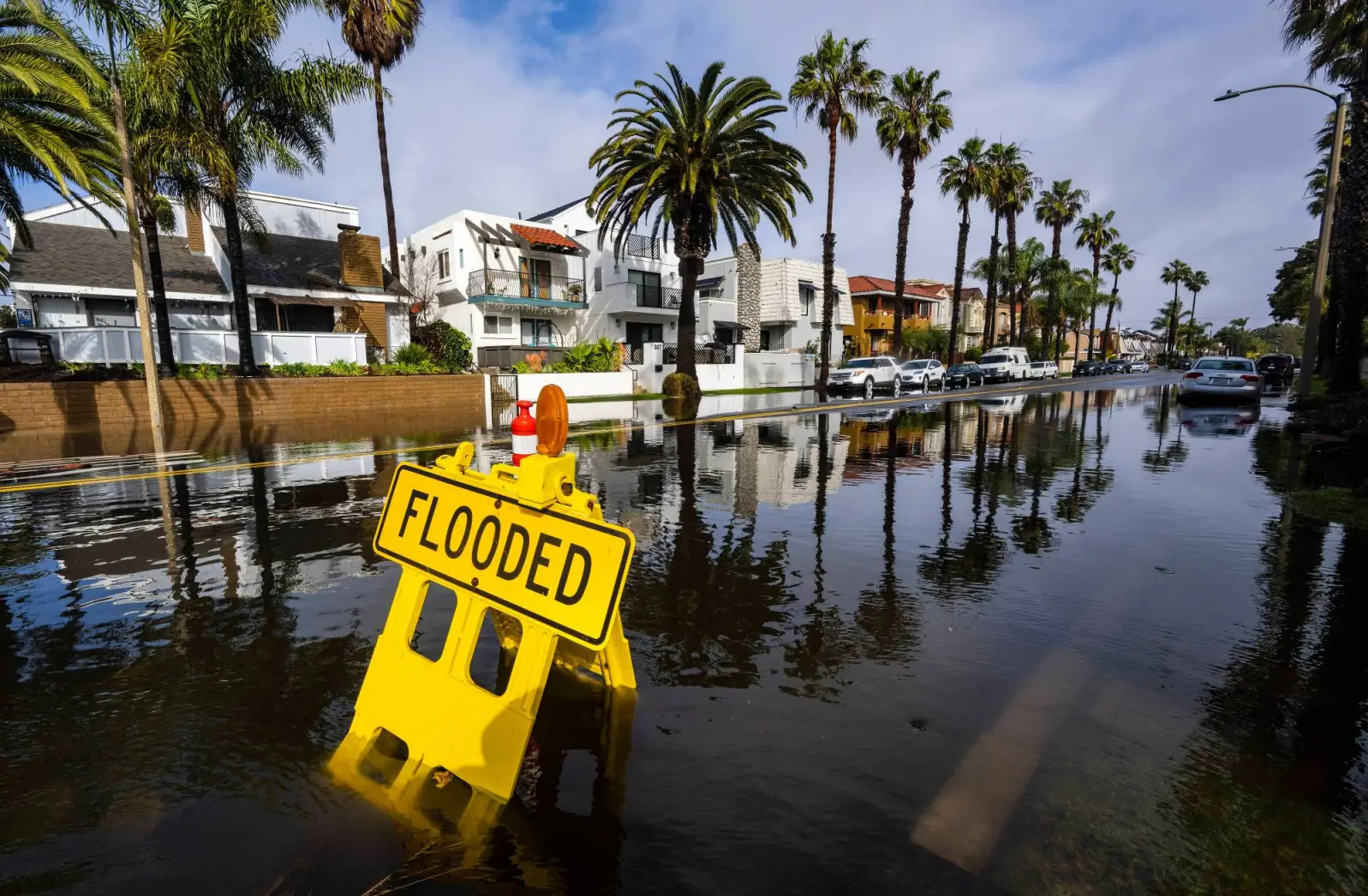
The question is not rhetorical. Every rainy season in Southern California brings the same pattern. Homeowners and business owners in Long Beach, Huntington Beach, Costa Mesa, and surrounding communities pick up the phone during a storm and encounter a range of responses that leave them more stressed than when they started. Some companies do not answer. Others say they cannot deploy. Many offer temporary measures such as “We’ll slap on some wet patch” or “We can throw a tarp up there.” The answers are inconsistent, and the underlying readiness is often limited.
The reality is straightforward. There are only so many effective actions that can be taken while rain is actively pouring and wind is moving materials around a roof. That is why we consistently encourage proactive inspection and maintenance well before the first major storm system arrives. Still, roofs fail at inconvenient times. Leaks develop. Debris accumulates. Wind lifts edges. When that happens, the difference between one contractor and another becomes clear in preparation, materials, training, communication, and follow-through.
Preparation That Starts Long Before the First Drop Falls
At BYLTup we treat rainy-season readiness as an operational priority rather than an afterthought. Materials are staged in-house months ahead of peak weather. We keep 6-mil plastic tarps stocked by the pallet, wooden battens ready to secure those tarps to fascia, and pre-bagged sandbags available for added weight and wind resistance when conditions call for them. Wet patch and specialty sealants are maintained in inventory so crews can create rapid, temporary stop-gaps on appropriate roof types.
This inventory approach means our teams do not scramble for supplies when a call comes in during active weather. The materials needed for most emergency stabilization work are already on the shelf and ready to load.
Training Focused on Safety and Site Assessment in Wet Conditions
Crews receive specific instruction on working safely in rain. They are trained to look beyond the obvious leak and evaluate the full picture: roof drains that may be clogged, gutters and downspouts restricted by debris, potential electrical hazards or nearby power lines, wind-blown material that has landed on the roof, and tiles, shingles, or seams that have been lifted or displaced.
Technicians deploy with the materials required to slow or stop the majority of active leaks, along with the personal protective equipment and safety gear appropriate for wet, elevated work. Certain structural damage and certain roof systems simply cannot be fully repaired while severe weather is ongoing. In those cases the priority shifts to documentation and stabilization so permanent repairs can begin as soon as conditions allow.
Documentation and Communication During High-Stress Moments
Every emergency visit is thoroughly documented with photographs and video through the CompanyCam platform. Findings are reported back promptly so the property owner understands what was observed and what will be required once the weather clears. This documentation also allows our estimating and production teams to mobilize the correct materials and crew for the permanent repair without unnecessary delay.
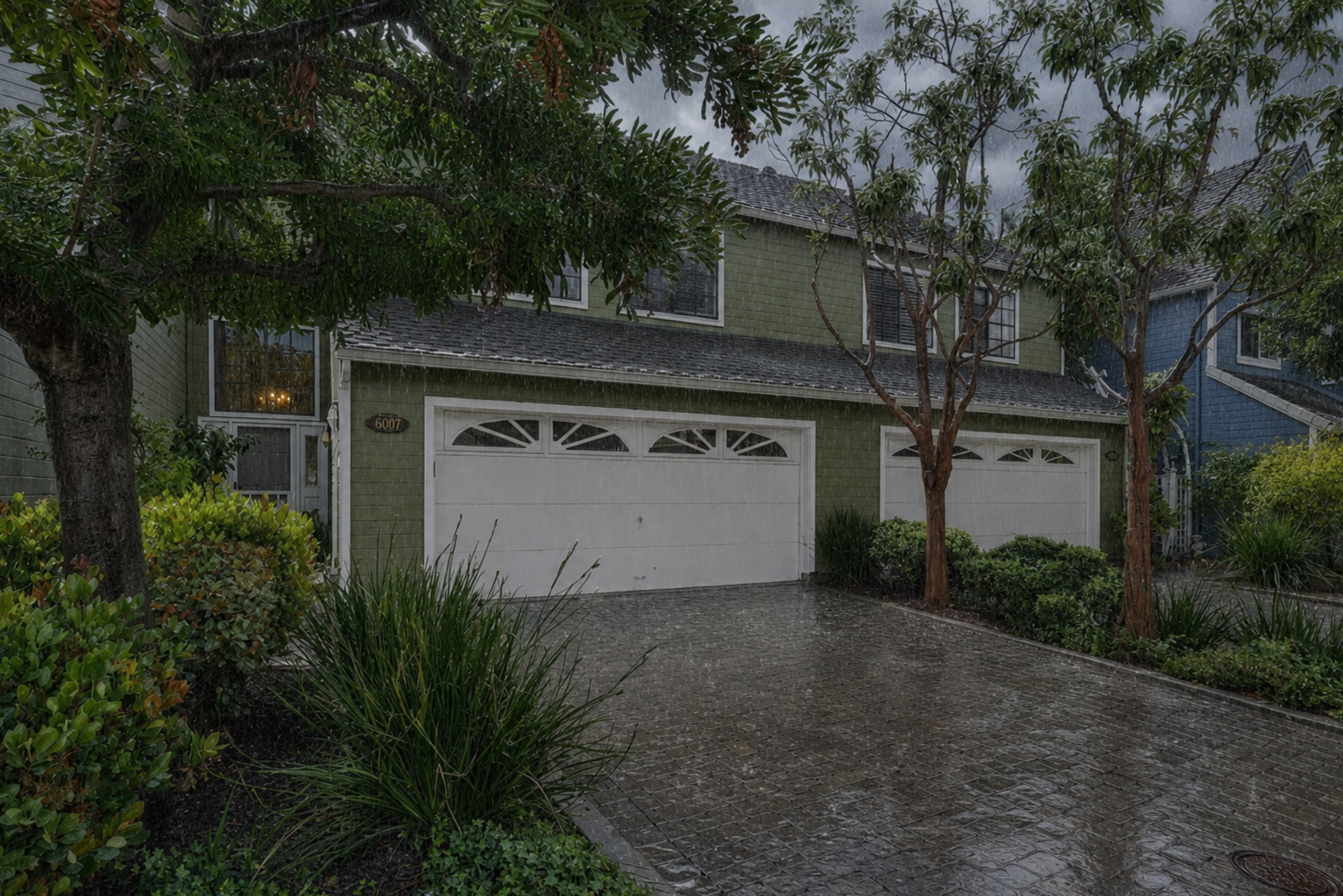
Communication itself is treated as part of the service. Emergency roof situations are stressful for homeowners and business owners. We answer the phone and stay in contact throughout the process. This year an AI assistant was added to the system so calls are answered 24 hours a day, seven days a week. The system filters incoming requests and alerts the appropriate department and team member when a true emergency requires immediate attention. The result is faster routing and clearer information for both the customer and our field teams.
System-Specific Knowledge That Prevents Additional Damage
Our crews are trained across the major roofing systems common in Long Beach and the broader Los Angeles and Orange County markets: asphalt shingles, tile, metal, single-ply TPO and PVC, modified bitumen, and both acrylic and silicone coatings. That training includes knowing which temporary measures are compatible with which systems.
Applying conventional wet patch or mastic to a single-ply PVC or TPO membrane, for example, can chemically degrade the roofing material over time. Understanding these interactions prevents a short-term fix from creating a longer-term problem. The same principle applies to other assemblies. The right temporary intervention depends on the specific roof type, and that knowledge is part of standard crew preparation rather than something left to improvisation on the job.
Why This Level of Readiness Matters for Long Beach and Greater LA/OC Residents
Emergency roof repair is not simply a matter of arriving with a ladder and a tube of sealant. It requires advance material staging, weather-specific safety training, accurate site assessment, careful documentation, reliable communication, and system-aware decision making. These elements reduce the chance that a temporary measure will fail or cause secondary damage, and they position the permanent repair to move forward efficiently once conditions improve.
As the region prepares for a potentially active winter season, the operational choices made months earlier determine how effectively a contractor can respond when calls increase. Stocked materials, trained crews, documented processes, and continuous communication form the practical foundation of readiness.
For property owners in Long Beach and the surrounding communities who find themselves dealing with an unexpected roof issue during wet weather, that foundation is what separates a reactive response from a prepared one.